
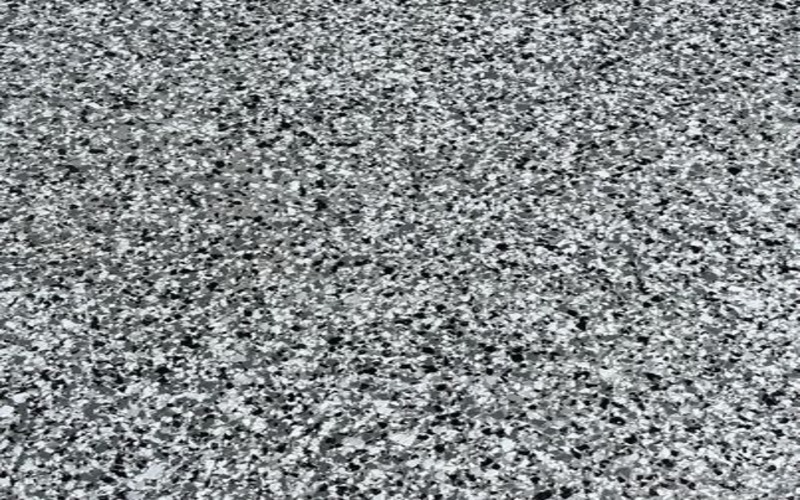
When it comes to upgrading garage spaces in Plano, Texas, homeowners often face a choice between polyaspartic and polyurea coatings. Both are popular options for epoxy flooring, offering durability and a polished look, but they have distinct differences that can impact your decision. Whether you’re in Plano, Dallas, or nearby Fort Worth, understanding these materials is key to selecting the best solution for your garage. As a trusted epoxy floor contractor serving the area, we’re breaking down the pros and cons to help you make an informed choice for your home.
What Are Polyaspartic and Polyurea Coatings?
Polyaspartic and polyurea are advanced coatings often used in garage flooring projects. Both are known for their strength and resistance to wear, making them ideal for high-traffic areas like garages in Plano homes. Polyaspartic coatings are a type of polyurea, but they cure faster and are often more flexible in application. Polyurea, on the other hand, is typically tougher and more resistant to chemicals, which can be a significant advantage in environments exposed to oil or harsh solvents.
Benefits of Polyaspartic for Plano Garages
For homeowners in Plano looking for a quick installation, polyaspartic coatings are often the go-to choice. They can be applied and cured in as little as a day, minimizing downtime for your garage space. This is especially convenient in a busy city like Plano, where schedules are tight. Additionally, polyaspartic offers excellent UV resistance, meaning it won’t yellow over time, even if your garage gets plenty of Texas sunlight. It’s a great option for those prioritizing a seamless, long-lasting finish for home epoxy flooring.
Drawbacks to Consider
While polyaspartic is impressive, it’s not without limitations. It can be less resistant to heavy chemical spills compared to polyurea, so if your garage doubles as a workshop in Plano, you might want to weigh this factor carefully.
Advantages of Polyurea in Garage Applications
Polyurea coatings are incredibly robust, making them a top pick for garages that endure heavy use. In areas like Plano, Dallas, and Denton, where vehicles and equipment can take a toll on floors, polyurea’s superior chemical and impact resistance stands out. It’s also highly flexible, which helps it withstand temperature fluctuations common in Texas weather. For those seeking a coating that can handle just about anything, polyurea often fits the bill for garage flooring projects.
Potential Downsides
One downside of polyurea is its longer curing time compared to polyaspartic. This might mean more disruption to your daily routine during installation. Additionally, it can be more expensive, which could be a consideration for budget-conscious Plano homeowners.
Which Coating Suits Plano’s Climate and Lifestyle?
Plano’s hot summers and occasional cold snaps mean your garage floor needs to handle thermal expansion and contraction. Polyurea’s flexibility gives it an edge in this regard, while polyaspartic’s UV resistance is ideal for garages with open doors or windows. If your garage in Plano is more of a showpiece, polyaspartic might be the way to go for its fast application and sleek look. However, for heavy-duty use or workshops, polyurea’s durability could be the better investment.
Ultimately, the right choice depends on your specific needs. Whether you’re in Plano, Argyle, TX, or nearby Fort Worth, working with a knowledgeable epoxy floor contractor can help you assess your garage’s demands and choose a coating that lasts. From home epoxy flooring to business applications, both options offer unique benefits for Texas properties.